
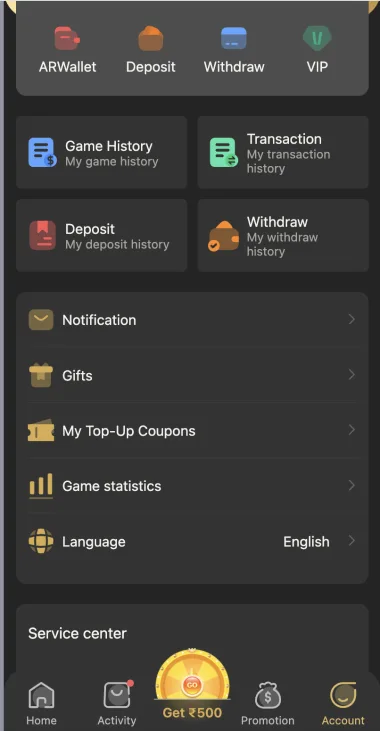
First identify which record is pending
Begin by naming the place where you see the status. A payment-app entry, a bank transaction, a website order and a complaint ticket are not interchangeable. Pending in a support conversation may only mean the enquiry is waiting for review; it does not establish the financial state of the transfer. Write the exact wording and where it appears.
Next identify the action behind the record. Were you expecting an account credit after an outgoing bank payment, or an incoming bank credit after an account request? Those are different directions. If you only created an order and no bank debit appears, that is different again. Keep the facts separate before deciding what needs investigation.
A useful first note contains the date, amount, record type, identifier and status. It need not include an explanation of the cause. You can state that the cause is unknown. That honest boundary prevents a vague label from becoming a confident but unsupported claim about a bank failure, account block or deliberate withholding.
Separate payment confirmation from account credit
A bank transfer and an account credit belong to different records. A successful bank entry can coexist with an account order that has not changed. Conversely, a website can show an order without a matching bank debit. The mismatch is the problem to describe; it is not yet proof of which part caused it.
Check the bank or payment app independently through your normal entry point. Review the individual transaction rather than only the account balance. Other payments can change a balance, so the total alone is a weak way to identify one transfer. Keep the recipient, date and reference attached to the amount.
Then compare the external account history, if you can access it. Look for the specific order and any matching credit. Do not assume a notification banner and a history entry are the same record. The banner may be an earlier message, while the history contains a later update. Record what each currently says and retain any earlier observation that helps explain the sequence.
Read pending as a state, not a diagnosis
NPCI's UPI Help material describes pending as a state where payment confirmation is not received during the process. That explanation is about the payment system. It does not identify the cause of every pending label used by a separate website, nor does it prove that a particular account order is a UPI transaction.
Avoid attaching a cause without evidence. Network, bank, recipient and account-system issues are possible categories, but naming one requires information about the actual case. A page that stops loading after an attempted payment tells you about the page at that moment. It does not by itself establish what happened to the transfer.
In a complaint, use observations instead of guesses. Say that the bank shows a debit, the app displays pending and the account has no matching credit. Ask which record is final and what reference can be used to trace the payment. That gives the responsible organisation a specific discrepancy to investigate rather than asking it to confirm a diagnosis you cannot substantiate.
Check whether a debit actually occurred
An order request can exist even when no payment was completed. Find the relevant bank entry and confirm whether money was debited. If there are several attempts for the same amount, list them separately. A repeated amount does not mean the entries are duplicates, and an order retry does not necessarily mean the bank retried the same transfer.
If no debit appears, keep the order record and the time you checked. Do not create a payment simply to test the account display. If a debit later appears, add it as a new observation rather than rewriting the earlier note. A chronology should show what was visible when, especially if the status changes.
If the bank record is unclear, ask the bank to explain the entry through its established route. A publisher, group administrator or another user cannot view the bank's internal classification from a screenshot alone. You do not need to hand over login credentials to obtain that explanation. A transaction reference identifies a record; a password grants access and should remain private.
Look for a later status without creating a new transaction
Reopening a familiar account page can help you view the latest record, but keep your evidence first. Distinguish checking history from submitting a new request. A button that starts another payment is not a refresh button. Read its label and avoid repeating an action merely because the earlier result is unclear.
If a page has become unresponsive, note the error and the time. You can check your bank independently without waiting for the website to load. Do not assume that a broken page means the bank transfer failed. Likewise, a restored page does not mean the transfer settled. Each conclusion needs the appropriate record.
When a status changes, preserve the new entry alongside the old one. Include the time you checked and any explanation shown. The change may answer the question, or it may simply move the issue to another stage. A pending order marked completed still needs to be matched with the relevant credit or written explanation if the financial discrepancy remains.
Build a timeline that another person can follow
A clear timeline can contain five kinds of event: the account request, the bank entry, the account update, the support enquiry and the support response. Keep them in chronological order. If one record uses a different time zone, label it. Do not silently alter the original value, because that can make two legitimate records look inconsistent.
Use short factual sentences. The bank debited an amount at a stated time is clearer than the money vanished. The account showed pending when checked is clearer than the service froze everything. You can express concern separately, but the investigator needs precise observations to find the relevant records.
If you do not know a time, say so. An approximate note should be labelled approximate rather than presented as an exact timestamp. Keep the original receipt or message as the source for each important detail. This small discipline reduces the chance that later memory, a copied chat summary or a different transaction changes your account of what happened.
Use each identifier for its own purpose
A website order ID, a bank transaction ID, a UPI reference and a complaint number can all look like long strings. Label them clearly in your notes. Sending the wrong identifier to an organisation can produce an unhelpful reply even when you have the right transaction somewhere in your records.
Match more than one field. Date, amount, recipient and identifier together are stronger than an amount alone. This matters when you made more than one attempt or when several transactions used a common preset amount. If a match is uncertain, mark it as uncertain and ask for clarification.
Do not edit an identifier to make it fit a form unless the responsible institution explains the required format. Copying a partial number into the wrong field can create a second problem. If the form does not accept the reference you have, ask the bank or payment provider which value it requires. Preserve the original wording and number so that the source record remains available.
Document the issue without sharing the whole account
Keep a private original of the payment detail and the account entry. For a complaint, make a redacted copy that shows the relevant identifiers and status while hiding unrelated information. Full account numbers, available balances, personal notifications and other people's details often appear in a screenshot without being necessary to the question.
Review attachments before sending. A short recording can expose more than a still image because it may show notifications, saved account information or address-bar tokens. Prefer the smallest useful record. If an official organisation needs a full document, use its secure authenticated route rather than an unsolicited chat link.
Never include a password, OTP, UPI PIN, card security code or recovery code. Those secrets do not explain why a payment is pending. A person who asks for them is requesting access or authorisation, not merely evidence. Keep a note of what you shared, when and with whom so you can understand where your information has gone if a separate security concern arises.
Choose the organisation that controls the disputed record
If the bank entry is unclear, the bank is the relevant starting point for explaining it. If the payment app shows a status or complaint option, use that service's authenticated route. If the bank payment is final but an account ledger has no matching credit, the organisation responsible for that ledger must explain its record.
NPCI's UPI information points users to participating bank or payment-app channels for transaction grievances. Its complaint facility concerns payment-system records and the responsible member institutions. It does not certify a gaming operator, access a game account or guarantee the outcome of a separate commercial dispute.
Keep the two enquiries connected in your private notes but separate in their questions. You can tell each organisation what the other record shows without assuming they share a ticketing system. A complaint reference from a website does not prove your bank has received a complaint. An acknowledgement from a bank does not mean the account operator has investigated a missing internal credit.
Ask a specific question instead of requesting a faster status
A useful message identifies the record and asks what remains unresolved. For example, ask whether the payment has a final status, whether the recipient credit is confirmed or whether an account order has been matched to the bank reference. Which question fits depends on the evidence you already have.
Include the date, amount and labelled identifiers. State what the bank record shows and what the account record shows. Then ask for the next written step and the reference under which the matter is being reviewed. Keep the message readable; a long story with no clear question is harder to investigate.
If you are told only to wait, ask which event is being awaited and how you should obtain the next update. This is different from demanding an invented deadline. A responsible enquiry seeks a case-specific explanation. We have not verified a universal BDG Win processing period and should not replace missing information with a confident number taken from someone else's experience.
Do not turn uncertainty into duplicate payments
An unresolved first payment is not repaired by making a second payment. The second creates another record and potentially another issue. It can also make matching orders harder if the amounts are identical. Keep the original transaction clear before considering any new unrelated action.
Be cautious with a message saying that another transfer is needed to synchronise, verify or activate the first. Ask for a written explanation and verify the sender independently. A technical-sounding word does not establish a banking requirement. Do not send money to a private account merely because the contact says the earlier amount is safe.
The same principle applies to unexpected collect requests. A request received during a complaint is not automatically part of a refund or investigation. Read the payment app's own prompt and keep control of authorisation. If you suspect financial misconduct, contact your bank through its established route rather than asking the sender to reassure you again.
Handle changed or contradictory support replies
A first reply may describe an issue as pending, while a later reply describes it as failed or completed. Preserve both with their dates. Ask what changed and which record supports the newer statement. Do not erase the earlier explanation from your notes merely because it is no longer convenient.
If different representatives give different answers, quote the conflicting statements in one focused follow-up. Ask the responsible organisation to reconcile them under the same complaint reference. Starting several new conversations can split the evidence and make the contradiction harder to resolve.
A support screenshot is itself a communication record, not proof of the underlying bank movement. If a representative claims a refund or transfer occurred, request the traceable details and compare the bank history. If the bank shows a reversal, retain that entry as an independent observation. Clear records let you identify whether the issue changed, was actually resolved or simply received a different label.
Keep an unresolved complaint distinct from suspected fraud
A pending label by itself does not prove fraud. Equally, a person who sees an unauthorised debit should not ignore it merely because another page says pending. Describe the actual facts and choose the appropriate bank complaint or official reporting route. Different situations can require different responses.
If you authorised a payment but an account credit is missing, state that accurately. If you did not authorise a debit, tell the bank that. If a contact misled you into sending money, preserve the messages and recipient details. Avoid changing your account of events to fit a category suggested by another user or a supposed recovery specialist.
Do not pay an advance fee to someone who promises a guaranteed recovery. The person may know details from a public complaint or copied message without having authority to investigate. Keep financial evidence private and use official institutions for the issue they control. A publication can explain terminology, but it cannot convert a transaction reference into a private investigation or a promised refund.
Know when the pending question has actually been answered
A changed label is not always a resolved issue. Review the original discrepancy. Is there now a matching account credit, a bank reversal or a written explanation that accounts for the transaction? If the answer is still unclear, identify the missing fact rather than restarting the whole story.
A closed support ticket can be an administrative event. Read the reason it was closed and retain it. If it does not answer the financial question, use the published follow-up or escalation route with the original reference. Avoid assuming that a closed ticket means money was received, and avoid assuming that an open ticket means no financial change has occurred.
When the evidence supports a conclusion, record the date and the record that supports it. Keep the final response with the original transaction. This gives you an understandable endpoint and reduces repeated checking. If the issue remains unresolved, keep a short current summary at the top of the file so the next reviewer can see exactly what still needs an answer.
What this independent website can help you understand
BDG Win APK publishes explanations of account and payment language. Rohit Kumar can receive a correction to an article at [email protected]. We cannot view your bank transfer, change an account ledger, approve a refund or act as the external operator's support desk.
For an editorial correction, send the page address and the exact wording that needs attention. Do not attach credentials, identity documents or a complete bank statement. If a label has changed, a cropped example with personal details removed can explain the correction without exposing a private financial record.
For your transaction, use the responsible bank, payment provider and verified account-service route. Read the deposit article for missing-credit records and the transaction-history article for organising several entries. Each page answers a different question. The aim is to make an existing issue easier to describe, not to treat a pending status as a reason to create another payment or risk more money.
Frequently asked questions
Does pending mean the payment failed?
Not necessarily. Identify which service shows the word and ask for the final status of that specific record. A website order and a bank payment can have different states.
Should I repeat the payment while it is pending?
No. Repeating it creates a separate transaction and can complicate matching. Document the original entry and seek a case-specific explanation.
What should I check first?
Check the individual bank or payment-app transaction through your normal authenticated route. Note whether a debit occurred and compare it with the relevant account order.
How long does a BDG Win pending payment take?
Our website has no verified universal processing policy. Ask the organisation responsible for the record about the specific transaction and retain its written response.
Can I send my UPI PIN to help trace the payment?
No. A PIN is an authentication secret. Use labelled transaction references and never share a PIN, password or OTP in a support message.
Can this publisher clear the pending status?
No. The publisher cannot access bank or operator systems. It can explain terminology and correct published information.