
The current official India framework
The Promotion and Regulation of Online Gaming Act, 2025 addresses online gaming in India. The government's April 2026 explanation states that the accompanying Rules came into force on 1 May 2026. The framework distinguishes prohibited online money games from permissible online social games and e-sports, with an Online Gaming Authority of India and procedures for determination and registration.
That is the broad official context, not a product-specific approval. We have not verified an official determination or authorisation establishing the status of the BDG Win destinations linked or discussed here. A claim about an individual service should be checked against the applicable official record and the actual activity, rather than inferred from its name.
Official sources should be read directly when the legal position matters to a decision. A search result, chat message or affiliate article may omit important details. If you need advice about your own circumstances, consult a suitably qualified professional. The purpose of this page is to explain why verification matters and how to separate different kinds of evidence, not to replace that assessment.
Why opening a page does not establish permission
Technical access tells you that a server responded to a request. It does not tell you who controls the service, whether the service complies with the law or whether a particular activity is permitted in your location. A working login form and a mobile-friendly design answer interface questions, not legal questions.
The same distinction applies to an app installation. A file can be downloaded or installed without having been independently reviewed for the claims made about it. A permission prompt records what access the software requests; it does not certify the business behind the software. A familiar icon is a design element, not a regulatory record.
Do not use the existence of a payment option as a shortcut to a legal conclusion either. A displayed payment logo does not establish approval of every activity on the page. If a service is restricted or its status is unclear, do not search for a technical workaround as a substitute for understanding the issue. The relevant question is what the service is and what official evidence supports its claims.
Identify the organisation behind the brand
A brand name may appear across several domains, social profiles and app files. Similar names do not prove common ownership. Before trusting a claim, look for the legal entity, a consistent contact address and an explanation of who provides the service. If those details are missing, recognise the gap rather than filling it with an assumption.
Compare information across the terms, privacy policy and contact page. A disagreement between the company named in one place and the recipient named elsewhere deserves clarification. Keep the date and exact wording of any answer. A person who controls a social profile may not be authorised to speak for the account system or the payment recipient.
This website is an independent publication under the BDG Win APK name. Rohit Kumar is the named publisher, and [email protected] is the editorial contact. That identity does not make us the operator of a game, a bank, an app store or an official regulator. The distinction should remain clear even when an article discusses an interface in detail.
Separate a publisher link from an operator relationship
An outbound registration link takes a reader to another service. The destination has its own account process and terms. A referral identifier can record a commercial relationship, but it does not transfer control of the destination to the publisher. Nor does it allow the publisher to promise an account outcome that the destination has not established.
Our registration link includes invitation code 4398516845588. Our login and Telegram links are separately listed where relevant. Those links should be understood by their function. A community channel is not automatically a verified account-support desk, and a login link is not a statement that every activity behind the login is lawful or appropriate.
When you leave a publication, check the destination address again. Do not assume a redirect belongs to the same organisation merely because it follows a button you recognised. If an unexpected domain or login detail request appears, pause and verify. Clear link labelling helps readers understand a transition, but the reader still needs to assess the service that opens.
Read money-game claims with particular care
A claim about winning money requires more scrutiny than a claim about a page layout. Identify what the person is being asked to pay, what outcome is promised and how anything of value can be redeemed. Do not let entertainment language obscure the financial proposition. A sports theme or a casual interface does not answer those questions.
Be wary of a claim that a product is automatically acceptable because it is described as skill based, international, private, member only or for adults. Those labels do not settle the legal position. An age statement is a limitation on audience, not evidence that the activity itself is authorised. A disclaimer also cannot make an unsupported claim true.
For a specific service, look for evidence that addresses the actual product rather than a broad statement about the gaming industry. A certificate with no clear issuer, a cropped document or a foreign registration number may not answer the question being asked. If you cannot connect a claim to a verifiable official record, say that its status is unverified instead of treating it as permission.
Protect the information used for registration
A registration form can ask for a phone number, email address, password and referral code. Each field has a different function. A phone number or email may become an account identifier; a password protects access; an invitation code identifies a referral. Do not confuse a publicly shared code with a private login detail.
Use a password that is not reused on your email, banking or other important accounts. If a service is compromised or a page is deceptive, password reuse can expose more than the one account. Keep recovery options under your own control. Do not allow a stranger to create an account using their number or email on the promise that ownership can be changed later.
Before entering personal information, read the privacy explanation and identify the recipient. Ask whether the information is necessary and what happens if you do not provide it. A short form can still collect sensitive identifiers. The absence of many fields does not mean the service has no privacy implications, especially if it later requests identity documents or access to a mobile device.
Review app permissions by purpose
An app permission should have a clear connection to a feature you intend to use. Access to notifications, files, contacts or a device function can have different consequences. Read the system prompt and consider whether the request makes sense. Do not grant every permission automatically just because the installation has already started.
A permission denied by the user is not an invitation to disable security protections or install a different unknown file. If an app cannot explain why it needs access, the uncertainty remains. Be especially cautious with requests for accessibility control, device administration or remote assistance when they come through an unsolicited troubleshooting message.
We cannot establish the safety of an APK from its filename, icon or successful installation. A descriptive name is useful for identifying an asset on this website, but it is not a malware assessment or an authenticity guarantee. If a file is discussed, its source and limitations should be clear. Do not treat an image of a download button as evidence about the contents of a software package.
Understand what a privacy policy should explain
A useful privacy policy identifies who collects information, what information is collected, why it is used, whom it may be shared with and how a reader can make a request. The wording should relate to the actual service. A generic policy copied from another business may not explain an app's permissions, account data or third-party payment relationships.
Look for the distinction between the publisher's website and an external account service. Reading an article, emailing a correction and registering on another domain are different activities. They may involve different organisations and data flows. One site's policy should not be assumed to cover every service linked from it.
If you ask for deletion or correction, keep a copy of the request and the response. State which account or record you mean without including unnecessary documents. A request sent to an independent publication cannot delete data held by an unrelated operator. The responsible organisation must be identified first, otherwise the request may never reach the party that controls the information.
Treat screenshots as records with privacy consequences
A screenshot can help explain an error or a changed label, but it may also expose a phone number, account balance, notification, transaction reference or address-bar token. Review it before sharing. Keep a private original and create a redacted copy containing only the detail needed for the question.
A public comment section is rarely an appropriate place for financial evidence. The same applies to a large messaging group, where you may not know who can view, download or forward the material. Even if an administrator deletes a post later, other members may already have copies. Share private records through the verified secure route of the organisation handling the issue.
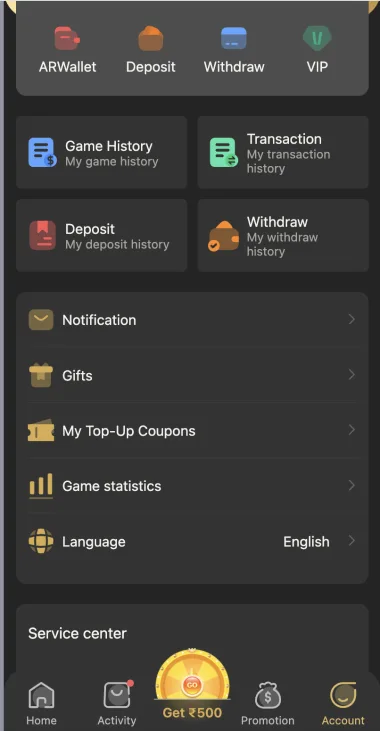
When using images in an article, a publisher should describe what the reader can recognise without implying that the image proves a current offer or policy. Real images can be outdated, cropped or limited to one account. Their value is context. They should be paired with accurate explanations and should not expose another person's private records merely to make a page look more convincing.
Recognise a support impersonator
An impersonator may copy a familiar logo, use a name resembling support and refer to an issue you posted publicly. Those details can create a sense of legitimacy without establishing any connection to the real service. Start from a known contact route and verify the relationship before sharing information.
Requests for an OTP, password, UPI PIN, recovery code or remote access are different from requests for a transaction reference. The former can enable access or payment; the latter can help identify a record. A representative should be able to explain why information is needed and which organisation is receiving it. Refusal to explain is not a reason to comply faster.
Be cautious when a contact discourages you from speaking to your bank, asks you to delete messages or says that an extra private payment is the only way to recover funds. Keep the messages and verify independently. A polite conversation and a busy channel do not establish authority. Evidence of identity and a formal case record matter more than confidence or urgency.
Know which organisation can answer which question
A bank can investigate the bank record available to it. A payment app can provide its transaction and complaint information. An account service must explain its own history and balance labels. A publisher can correct an article. Confusing these roles wastes time and can expose private details to people who cannot solve the issue.
For a payment discrepancy, retain the bank reference and the relevant account entry. Ask each organisation about the part it controls. If the account says a transfer was made, request the reference that a bank can use. If the bank shows a debit but the account shows no credit, describe both facts without pretending to know the cause.
For editorial feedback, email Rohit Kumar with the page address and the sentence that needs correction. Do not send login details or full financial documents. We cannot change an operator's records or submit a bank complaint for you. Clear boundaries are practical information: they help a worried reader contact the party that can actually examine the relevant record.
Report suspected financial cybercrime through official routes
If you suspect financial cybercrime in India, contact your bank promptly and use the National Cybercrime Reporting Portal or the financial-fraud reporting number 1930. Keep the payment identifiers, recipient details and relevant communications. The official reporting route is different from a general complaint to a website publisher or an anonymous messaging account.
Describe what happened accurately. A payment you authorised after being misled, a payment you did not authorise and an account-credit dispute can involve different facts. Do not change the story to fit a category suggested by a stranger. Provide the information requested through the official process and retain the acknowledgement.
Reporting does not guarantee that funds will be recovered. Anyone offering certainty for an advance fee deserves scrutiny, especially if they claim to have a private connection to a bank, police unit or regulator. Do not give another person control of your phone to file a report. You can seek help understanding a form while keeping authentication and submission under your own control.
Avoid turning a restriction into a workaround search
A service may be inaccessible for several reasons, including technical failure, account problems or a restriction. A loading error alone does not explain which one applies. Record the message and check reliable information rather than assuming the solution is to change location settings, use a mirror domain or install an alternative package from a chat.
A different domain can introduce a different operator or an impersonation risk. A file described as an updated version may not have the same source as the file you originally used. Do not let the desire to restore access override basic checks about identity, permissions and the current legal context.
We do not provide instructions to bypass geographic restrictions or conceal a user's location. If you need records from an inaccessible account, use verified support and retain the bank information you already have. An unresolved payment can still be documented without creating another account or sending another transfer. Treat recovery of information as a separate issue from future participation.
How to read legal and safety claims on comparison pages
A comparison page should identify its sources and apply the same standard to every service. Statements about licensing, privacy, payment reliability or regulatory status should not be inferred from a polished interface. If a table contains a tick mark, the text should explain what the mark actually means and which evidence supports it.
Be cautious with a broad comparison between one named brand and unnamed other apps. It is difficult to verify a claim about a group that is never defined. A credible comparison names the subject, states the date and distinguishes a provider's claim from an independent finding. Missing information should remain marked as unknown or unverified.
Affiliate relationships should also be clear. A commercial link does not automatically make an article wrong, but it gives readers context for evaluating recommendations. Disclosure is not a substitute for evidence. The strongest comparison is one that helps the reader understand a specific difference, including the possibility that neither service has enough verified information for a confident conclusion.
Use a short personal information checklist
Before sharing information, ask who receives it, why it is needed, whether the channel is verified and whether a smaller amount of information would answer the question. This works for an email, a support chat, an identity request and a screenshot. It replaces a vague sense of trust with concrete questions.
Keep authentication secrets out of ordinary messages. Maintain a private record of the documents you have shared, including the date and recipient. If a request changes or expands, ask for the reason rather than assuming the earlier explanation still applies. A service should not receive unlimited information simply because you once contacted it about one issue.
Review your own devices as well. Close sensitive pages before screen sharing, check notification previews and avoid leaving financial files in a public folder. These habits do not establish that a service is safe, but they reduce unnecessary exposure while you assess it. Privacy is not only a sentence in a policy; it also depends on the practical decisions made when information moves between people and systems.
What readers can reasonably expect from our website
Readers should expect clear distinctions between verified facts, general explanations and information that remains unverified. We should identify an external destination, disclose a referral relationship and correct an inaccurate statement. It should not invent personal testing, login details, official affiliation or financial outcomes to make an article more persuasive.
A named author is part of accountability, but a name alone does not prove specialist expertise. The author page should describe only the background that can be substantiated. If a claim requires a bank record, official determination or technical assessment, a confident writing style cannot replace that evidence. An explanation can be useful while still acknowledging the specific fact it cannot establish.
For corrections, contact [email protected] with enough detail to identify the problem. For private account or payment issues, use the responsible organisation's verified route. Keeping those expectations clear helps the website remain useful to readers who arrive from a search result with an urgent question and do not yet know which kind of help they need.
Frequently asked questions
Does an accessible BDG Win website prove it is authorised in India?
No. Technical access, a working form or an installable app does not establish the legal status of the underlying activity.
Is BDG Win APK the game operator?
No. This is an independent publication by Rohit Kumar. It does not run game accounts, payment systems or a regulator service.
Can a skill label or an 18+ notice settle legality?
No. Those labels do not replace the current official framework or a relevant product-specific determination.
What should I do if a support contact asks for my UPI PIN?
Do not share it. Verify the contact independently. If financial access may have been compromised, contact the relevant bank through its established route.
Where can I report suspected financial cybercrime in India?
Contact your bank promptly and use the National Cybercrime Reporting Portal or 1930. Keep evidence and the acknowledgement; reporting does not guarantee recovery.
Can I email our website to delete an external gaming account?
We cannot control records held by an external service. Identify the organisation responsible for the account and use its verified privacy or support process.